
Stagehand 101: The Camlock Connection
If the cams don't cooperate, is it okay to use a little friendly persuasion?

Mating camlock connectors should not require the strength of Hercules. But sometimes it does. They can get out of round, oxidize, or maybe they are made by different manufacturers. When that happens, you can work up a sweat tying in a five-wire set of feeder cable. Is it okay to lubricate camlock connectors to make them easier to mate?
It took a passel of emails and a lot of tenacity to get a camlock manufacturer to answer that question. What did they say?
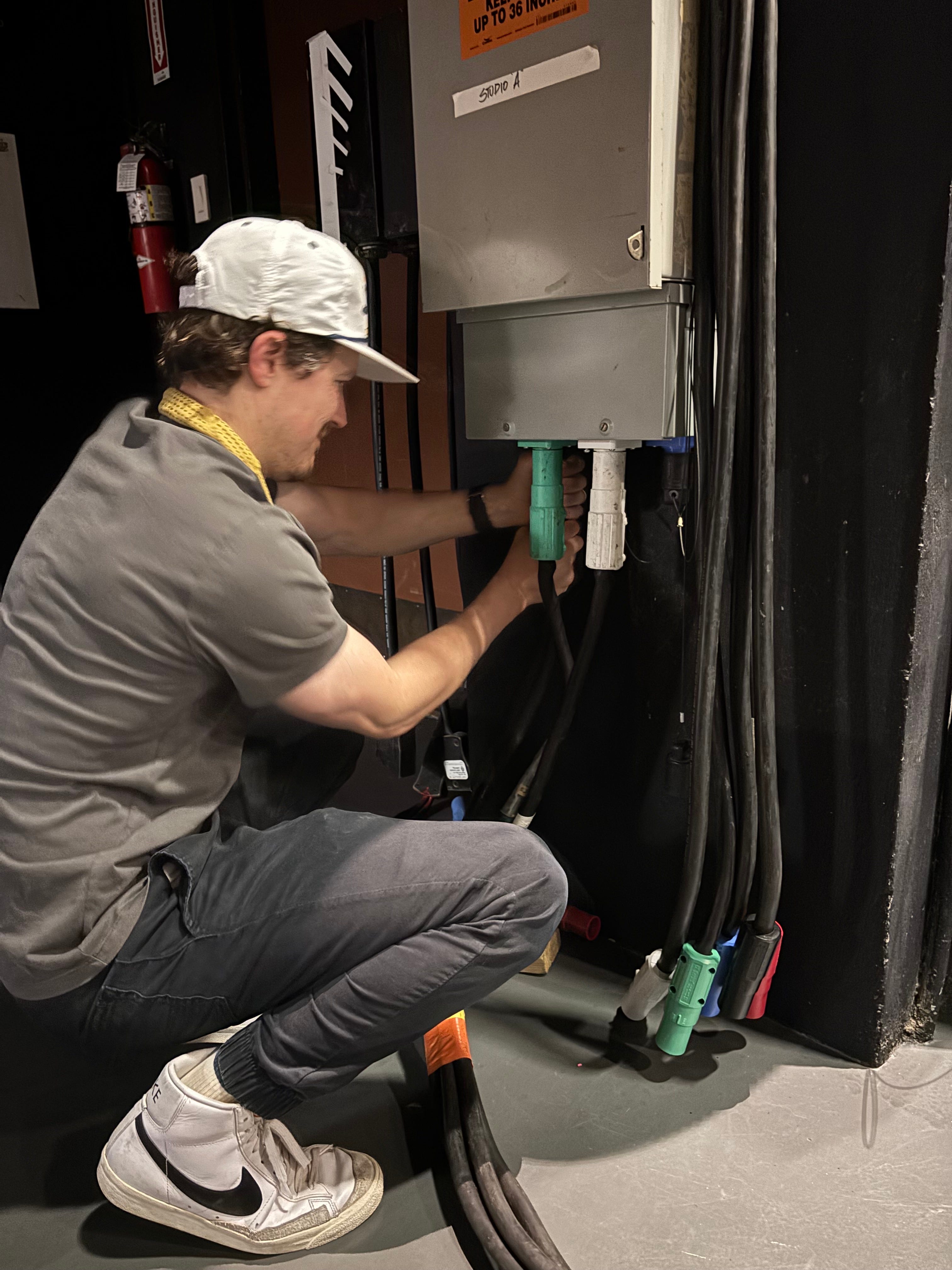
The answer is…at the end of this post. But before we get there, let’s first talk about what AI said about it because it’s interesting and somewhat true.
“Cam-Lok (camlock) connectors should never be lubricated with petroleum grease, dielectric grease, WD-40, or oils,” AI said. “Those products can attract dirt, damage insulating materials, or migrate onto the electrical contact surfaces, increasing contact resistance and heating.”
It’s easy to see that grease does trap dirt. If you’ve ever changed bearings in a wheel then you know that. Whether or not the manufacturers agree that you should never use it on cams, the rest of the AI comments were worth going over.
“If connectors are difficult to mate,” it said, “the first step is to determine why. The cause is often mechanical wear or damage rather than lack of lubrication.”
It goes on to list some pretty solid advice, some of which I’ve changed to align with my experiences and beliefs. (You can’t always trust AI, can you?) Here they are.
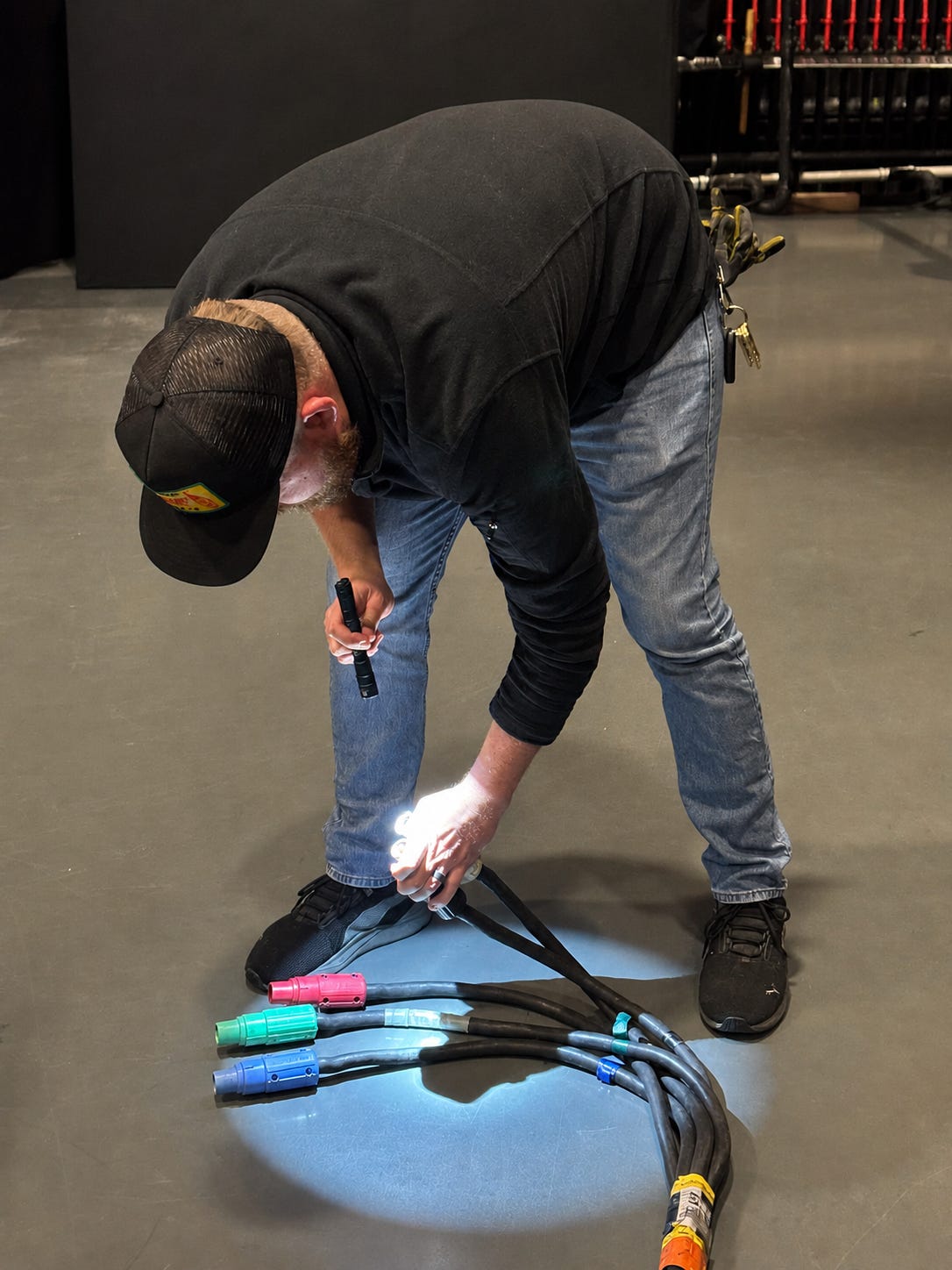
Inspect the connector
Look for bent or damaged cams.
Check that the two connectors are fully seated.
Inspect for dents or an out-of-round shell, especially if the connector has been dropped.
Ensure the contact isn’t loose inside the insulating body.
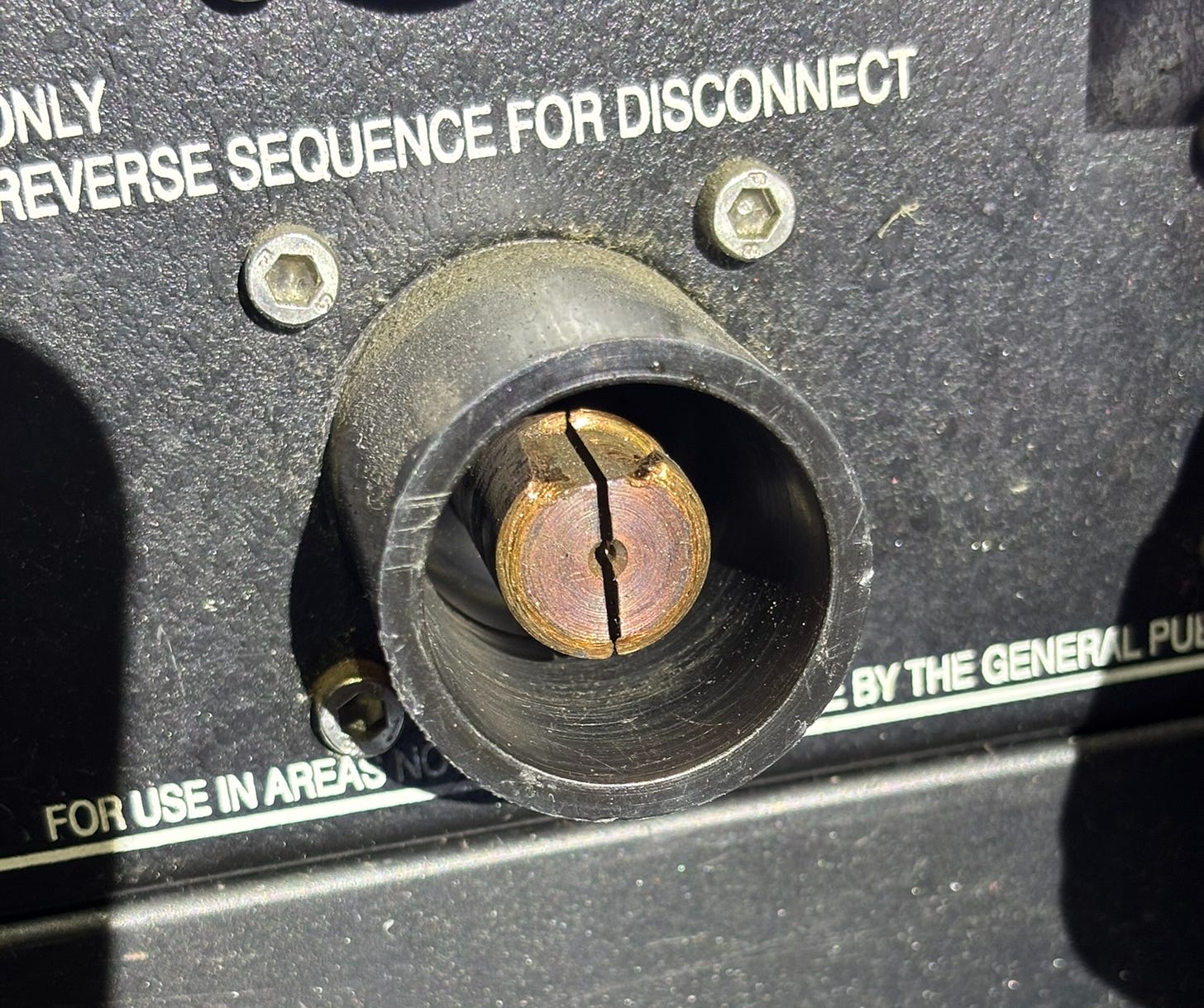
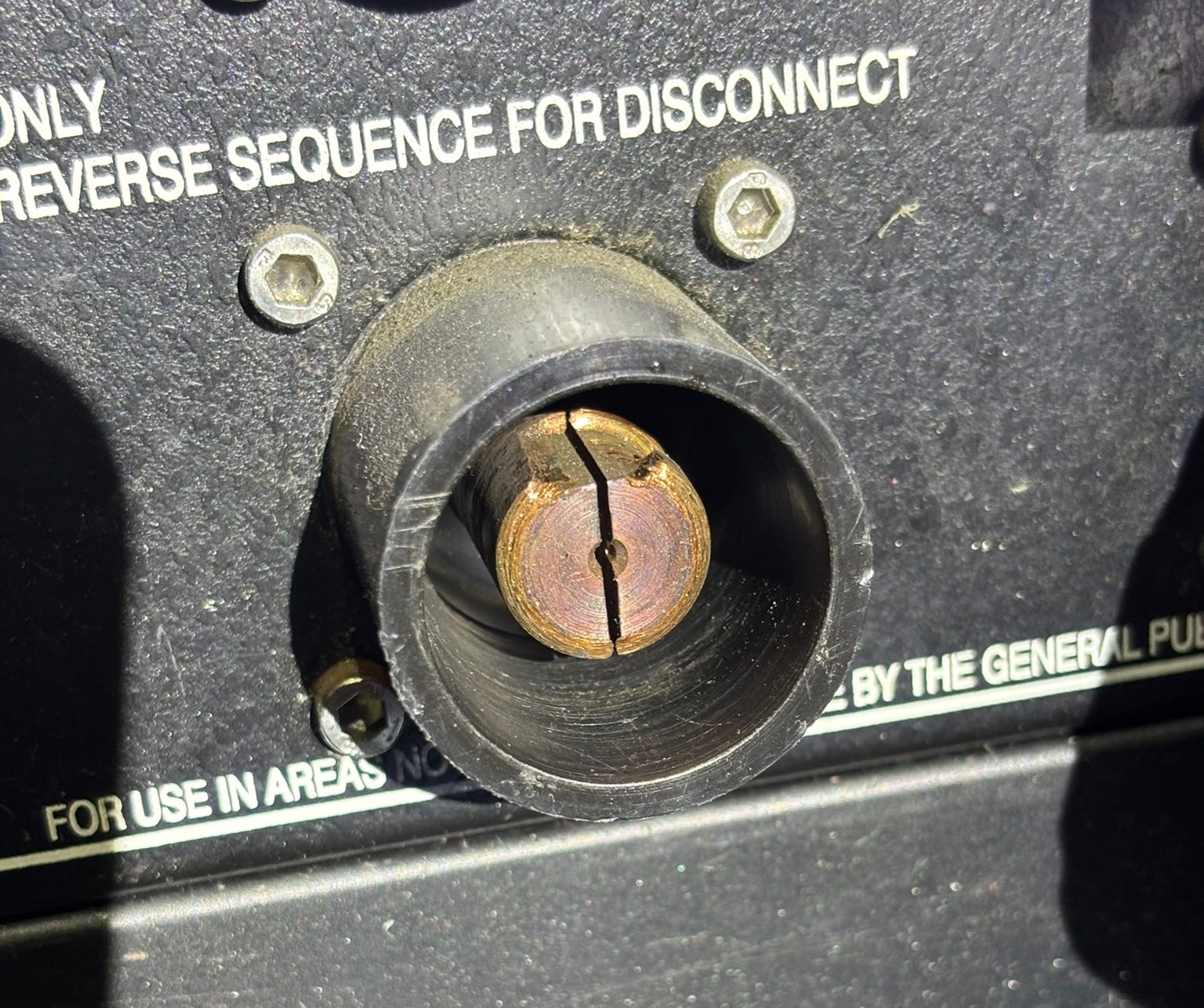
Clean the connector
Remove dirt and grit with compressed air or a clean cloth.
If necessary, clean with isopropyl alcohol or a manufacturer-approved electrical contact cleaner and allow it to dry completely.
Lubricate only the mechanical interface
If lubrication is truly needed, use a very light coating of silicone grease or a lubricant specifically recommended by the connector manufacturer.
Apply it only to the cam grooves or the outside mating surfaces, never to the electrical contact surfaces.
Wipe away any excess so it cannot migrate onto the contacts.
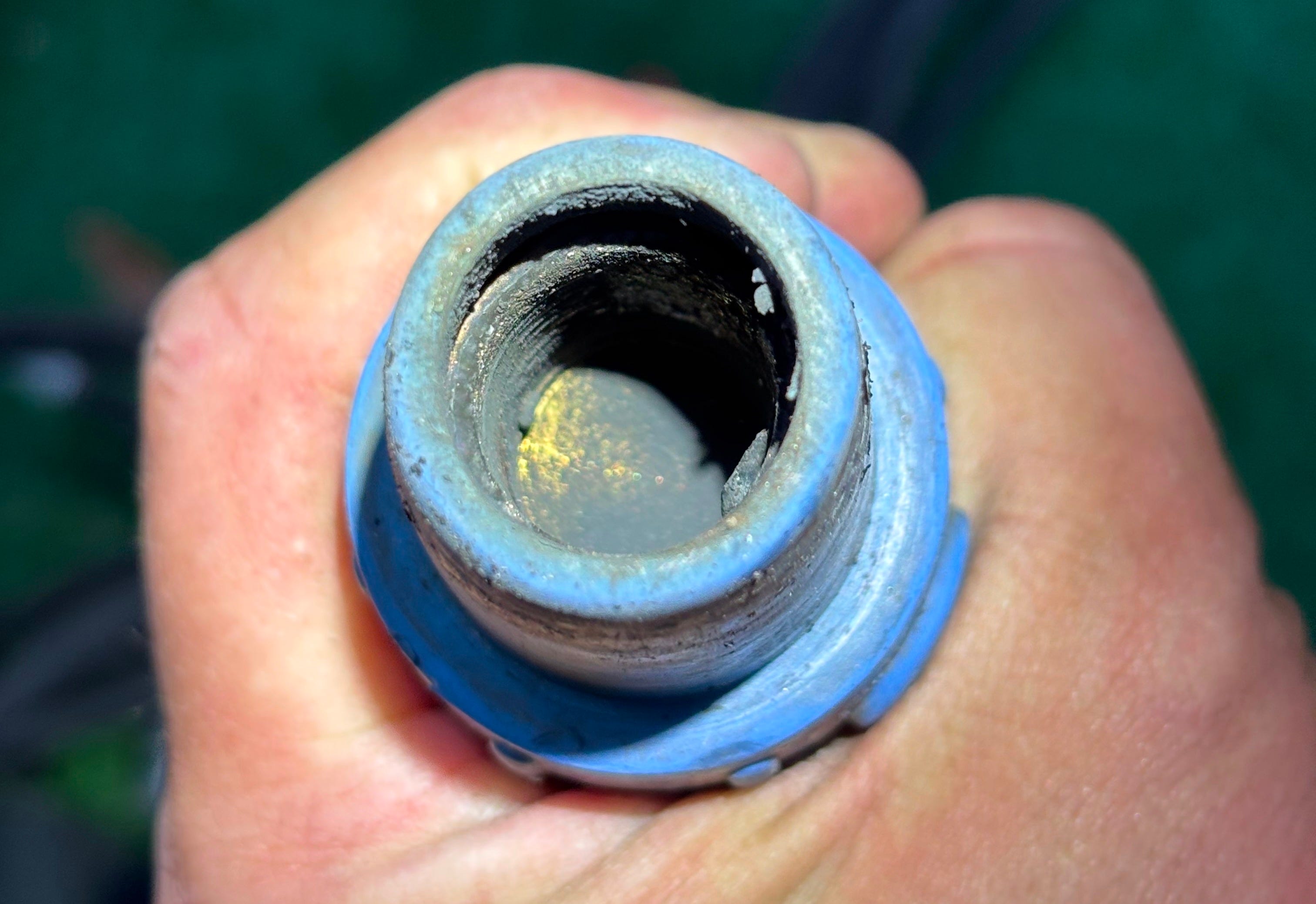
Replace damaged connectors
If a connector is out of round, oxidized, or consistently difficult to mate, replacement is usually the safest solution. Forcing connectors together can damage both halves.
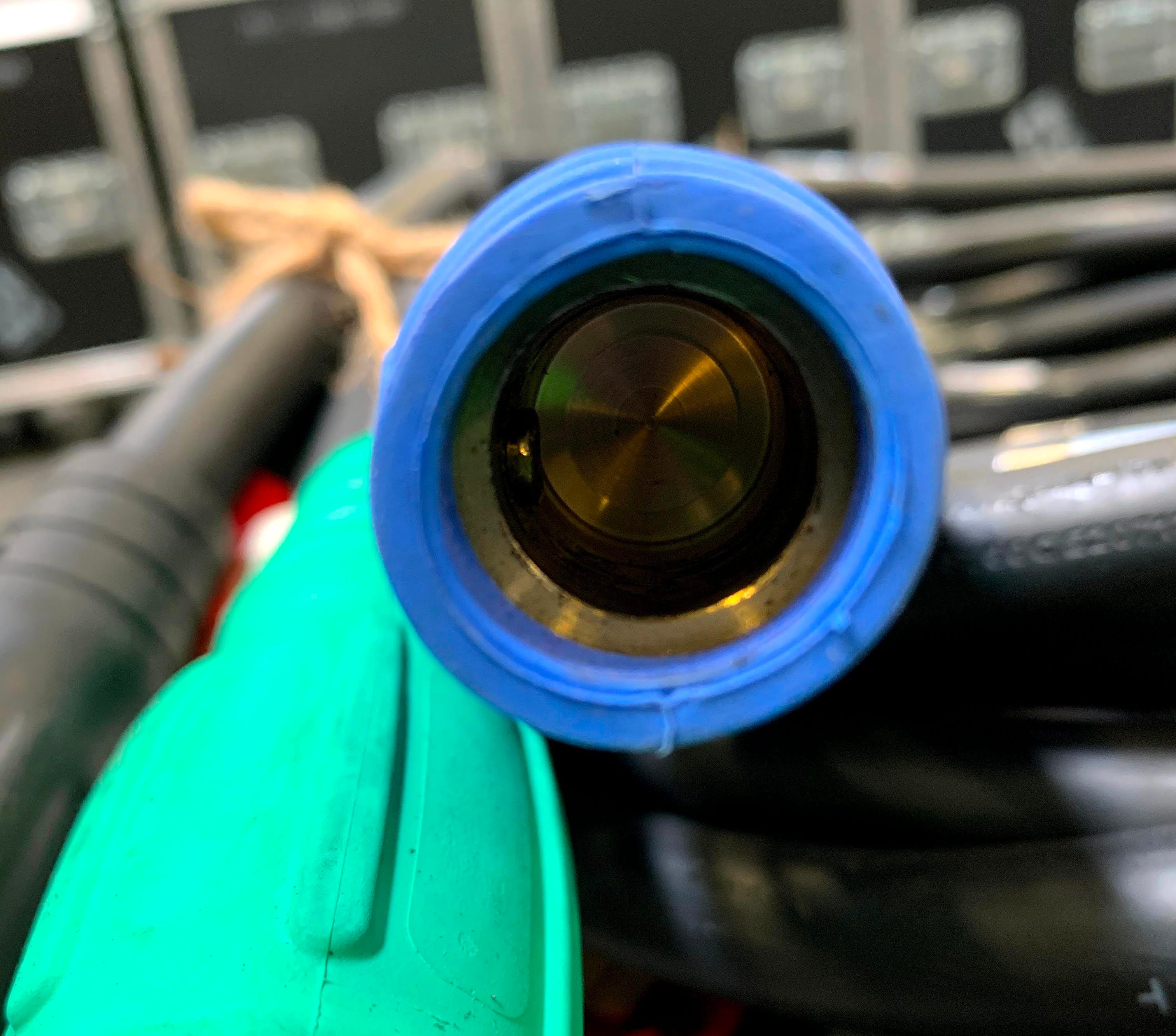
I would add that carrying a cam wrench is a good idea, while spitting in the connector is definitely not! (Yes, that actually happened.) A cam wrench comes in handy when the connectors are too close together to get much of a grip or apply much torque on them.
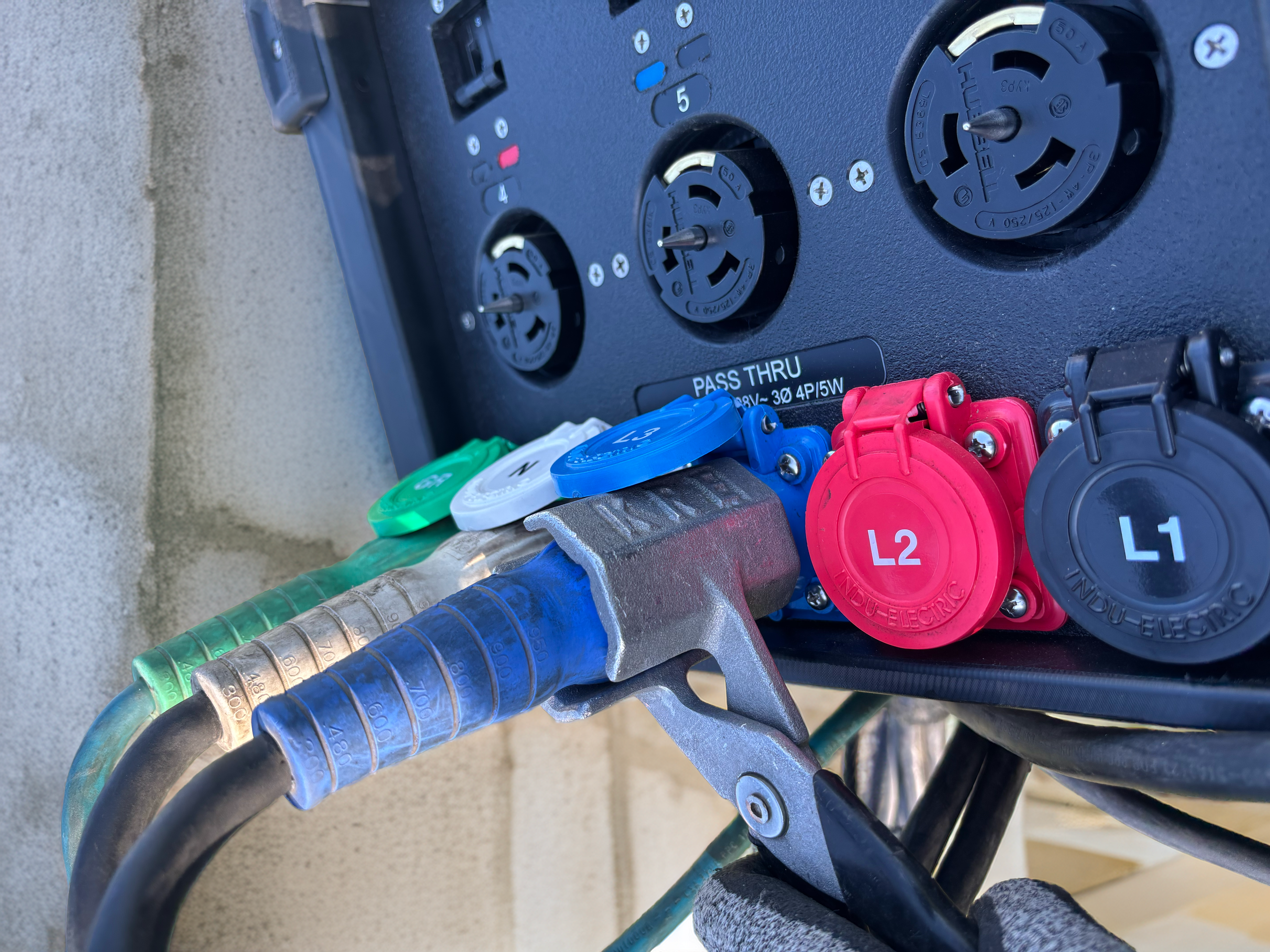
So, what does the manufacturer say about using lubricants on a camlock connector? You might have guessed by the link above that, since they sell silicone grease, that they say it’s okay to use it on the connectors. That’s according to Technical Services at Eaton Crouse Hinds. But I would use it sparingly and only on the groove or the rubber boot so that it doesn’t trap dirt and grime.
One day we’ll have wireless power transmission. Until then, enjoy running feeder cable and making camlock connections.
Power Distribution/Electrical Safety for Live Events - Burbank Dec 9-10 2026
Power Distribution and Electrical Safety for Live Events is two-day course taught by Richard Cadena, ETCP Recognized Trainer, that covers most of the topics listed in the content outline of the ETCP Portable Power Distribution Technician and ETCP Entertainment Electricians Certification exam. It is designed to accommodate a wide range of skills and experience, starting with basic electricity through advance power distribution and electrical safety for all. Register now!

Looking forward to it. Unless it’s a short length- say 10’ - I don’t REALLY want to be increasing the weight by 4x.
I'm noticing that in several of the photos accompanying this article, the lengths of feeder are bundled together, rather than laid out parallel and flat. It has been my understanding that bundling feeder is not a recommended practice due to an increased likelihood of all lengths heating up due to a fault in one. Please address this. Thanks!